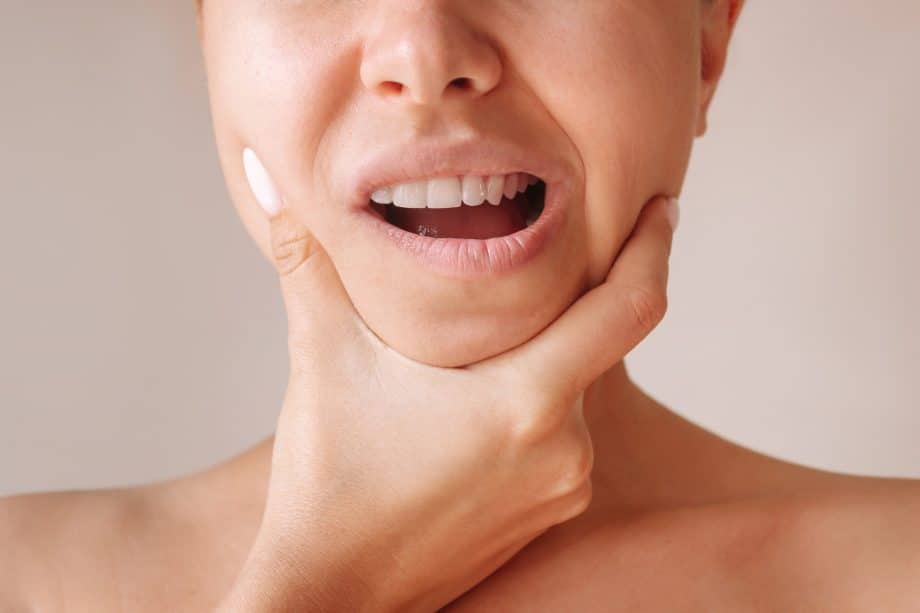
Medication-Related Osteonecrosis of the Jaw, or MRONJ, is a serious condition that can affect individuals who take certain medications for osteoporosis, cancer therapy, or metabolic bone disorders. At Community Oral & Maxillofacial Surgery in Milwaukee, WI, our team is committed to guiding patients through every step of prevention, diagnosis, and treatment with compassionate, evidence-based care. Dr. Ruba Khader combines advanced surgical training, 3D imaging technology, and a patient-centered approach to help reduce MRONJ risks and improve long-term outcomes.
Before we explore these strategies in detail, here is a brief overview of what this article will address.
This Article Will Address
- What is MRONJ?
- What are the medications that are associated with MRONJ?
- How common is MRONJ? Who is most at risk?
- How is MRONJ diagnosed and staged?
- Levels of MRONJ prevention in oral surgery
- How can we mitigate the risk of MRONJ? How can it be treated?
- What is a drug holiday, and is it appropriate?
- How does MRONJ affect quality of life?
- How our practice coordinates care with physicians and dentists
- What to discuss with your dental providers
- When to seek an evaluation with an oral and maxillofacial surgeon
What Is MRONJ and Why Does It Matter for Patients in Milwaukee?
MRONJ, Medication Related Osteonecrosis of the Jaw, is a condition in which an area of the jawbone becomes exposed and fails to heal within eight weeks. It occurs in some individuals who take medications that affect bone metabolism. These medications are important for preventing fractures or controlling cancer progression, yet they can alter how the jawbone responds to infection, injury, or surgery.
MRONJ is different from osteoradionecrosis, which is caused by radiation therapy. MRONJ develops because certain medications reduce the bone’s ability to remodel and repair itself. This makes early identification and personalized treatment planning essential.
At Community Oral & Maxillofacial Surgery, we use an innovative and holistic approach to help patients understand their risk and protect their oral health. Dr. Khader’s extensive background in oral surgery and academic medicine ensures that every patient receives care grounded in the latest evidence and delivered with compassion.
Which Medications Increase the Risk of Developing MRONJ?
Several medications can increase the risk of MRONJ because they affect bone turnover and blood supply. These include:
- Bisphosphonates, often prescribed for osteoporosis or metastatic cancer
- Denosumab, used for osteoporosis and oncology patients
- Romosozumab, an osteoporosis medication
- Antiangiogenic medications, sometimes used in cancer therapy
Patients in Milwaukee who receive osteoporosis care or oncology treatment often come to Dr. Khader for evaluation before beginning these medications. It is important to understand that these medications provide meaningful health benefits. The goal at our practice is to balance those benefits with strategies that minimize risk.
Risk is typically lower in patients taking oral medications for osteoporosis and higher in patients receiving intravenous therapy for cancer. A personalized consultation helps determine the safest approach for each patient.
How Common Is MRONJ and Who Is at Risk?
MRONJ is uncommon, but the likelihood varies based on a patient’s medical history and treatment type. Individuals receiving high-dose intravenous therapy for cancer face a higher risk than those taking lower-dose oral medications for osteoporosis.
Additional factors that can raise the risk of MRONJ include:
- Older age
- Gum disease or a history of periodontal problems
- Wearing dentures
- Smoking
- Diabetes or steroid use
- Long-term use of antiresorptive medications
- Invasive dental procedures such as extractions
At Community Oral & Maxillofacial Surgery, we rely on 3D CBCT imaging and comprehensive medical histories to identify risk factors early. Each patient is treated with respect, empathy, and individualized care that supports equitable access to high-quality treatment.
How Is MRONJ Diagnosed and Staged?
Diagnosis involves a careful clinical exam and a detailed understanding of the patient’s medication history. Signs may include exposed bone, non-healing extraction sites, pain, swelling, or infection. Dr. Khader evaluates the jaw using advanced imaging technology to determine the extent of bone involvement.
Staging is based on guidelines from the American Association of Oral and Maxillofacial Surgeons. It helps categorize MRONJ from early signs without symptoms to more advanced stages where infection or bone loss is present. Early diagnosis is essential because it allows more conservative treatment options and helps preserve healthy bone.
Common Signs and Symptoms of MRONJ You Should Not Ignore
- Exposed bone in the mouth
- Jaw pain or swelling
- Loose teeth
- Delayed healing after dental procedures
- Drainage or signs of infection
How 3D Imaging Helps Evaluate Jawbone Health
3D CBCT imaging provides a detailed view of the jaw structure, allowing Dr. Khader to assess bone health with exceptional accuracy. This technology supports early detection, precise treatment planning, and better outcomes.
What Are the Levels of MRONJ Prevention in Oral Surgery Care?
MRONJ prevention is most successful when coordinated early and thoughtfully. Oral surgery care involves four levels of prevention.
Primary Prevention, Before You Start High-Risk Medications
- Completing necessary dental treatment before antiresorptive or oncology therapy begins
- Removing infected teeth or addressing gum disease
- Coordinating care with referring physicians and dental providers in Milwaukee
Secondary and Tertiary Prevention, Caring for Patients Already on Therapy
- Routine monitoring to detect early changes
- Using gentle techniques and conservative procedures when dental work is needed
- Collaborating closely with general dentists, periodontists, oncologists, and primary care providers
- Planning extractions or implant therapy with careful consideration of medication history
Quaternary Prevention, Avoiding Unnecessary Treatment and Harm
- Preventing overtreatment in situations where conservative management is appropriate
- Prioritizing comfort, quality of life, and realistic functional goals
Dr. Khader’s approach reflects the latest research and ensures that patients receive individualized care that prioritizes their safety and well-being.
How Can MRONJ Be Prevented and Treated?
How Can MRONJ Be Prevented before and during Dental or Oral Surgery?
- Maintaining excellent oral hygiene
- Scheduling routine dental visits
- Stopping smoking and addressing periodontal issues
- Completing a pre-treatment consultation with Dr. Khader if you are considered high risk
- Using conservative surgical techniques when procedures are necessary
- Following antibiotic or rinse protocols when appropriate
How Is MRONJ Managed Once It Occurs?
Treatment depends on the stage of the condition. Early stages often respond well to non-surgical management, such as antimicrobial rinses, pain control, and routine monitoring. More advanced stages may require antibiotics, debridement, or surgical resection to remove diseased bone.
Community Oral & Maxillofacial Surgery emphasizes a holistic and compassionate approach that focuses on comfort, healing, and maintaining quality of life.
Should I Take a “Drug Holiday” before Dental or Oral Surgery?
The idea of temporarily stopping medication before dental treatment is called a drug holiday. Current evidence on drug holidays is limited and does not support a universal recommendation. Decisions must be made case by case in collaboration with the prescribing physician or oncologist.
At our Milwaukee practice, we follow guidelines from the AAOMS and the American Dental Association. We never alter medication plans without communication with the patient’s medical team. If you have questions about whether a drug holiday is appropriate, we encourage you to schedule a consultation with Dr. Khader.
How Do MRONJ and Its Treatments Impact Quality of Life?
MRONJ can affect many aspects of daily life. Pain, difficulty eating, speaking challenges, and concerns about oral health can impact confidence and comfort. Effective treatment reduces symptoms, protects nutrition, and supports overall well-being.
Our commitment to equitable and compassionate care ensures that every patient receives the time, attention, and support needed to navigate this condition.
How Does Community Oral & Maxillofacial Surgery Coordinate Care with Your Other Providers?
MRONJ management requires a team approach. We work closely with:
- Oncologists
- Endocrinologists and rheumatologists
- Primary care physicians
- General dentists and specialists
- Pharmacists
This collaborative model reflects Dr. Khader’s academic and leadership experience and ensures that each patient benefits from aligned, evidence-based care.
Key takeaways from current MRONJ guidelines include early dental evaluation, open communication between providers, and individualized treatment plans that weigh both risks and benefits.
How Should I Talk with My Dentist or Oral Surgeon about MRONJ Risks and Benefits?
Open communication plays a critical role in prevention. Consider asking your provider:
- What is my personal risk of MRONJ based on my medications?
- Do I need any dental treatment before starting therapy?
- What should I expect after a dental procedure?
- Which signs or symptoms should I monitor closely?
At Community Oral & Maxillofacial Surgery, we take pride in listening to patient concerns and providing clear, supportive guidance.
When Should I See an Oral and Maxillofacial Surgeon in Milwaukee about MRONJ Concerns?
You should schedule an evaluation if:
- You are starting an antiresorptive or antiangiogenic medication
- You need extractions, implants, or oral surgery while taking these medications
- You notice exposed bone, slow healing, or unusual jaw pain
Early evaluation helps protect your oral health and provides peace of mind.
Evidence-Based MRONJ Care at Community Oral & Maxillofacial Surgery in Milwaukee, WI
MRONJ is rare but requires careful management to prevent complications and preserve jaw health. At Community Oral & Maxillofacial Surgery, we combine advanced technology, evidence-based strategies, and compassionate care to guide patients through diagnosis, prevention, and treatment.
If you have questions about MRONJ or need an expert evaluation, contact Community Oral & Maxillofacial Surgery in Milwaukee, WI, to schedule a consultation with Dr. Ruba Khader. Our team is here to support you with the highest standard of surgical care.
Sources
- American Dental Association. Osteoporosis Medications and Medication-Related Osteonecrosis of the Jaw.
- American Association of Oral and Maxillofacial Surgeons. Position Papers on MRONJ.
- Pharmacist.com. The Jaw-Dropping Truth About Medication-Related Osteonecrosis of the Jaws.
- Oral Health and Preventive Dentistry Journal. Comprehensive Review of Prevention and Management Strategies for MRONJ.
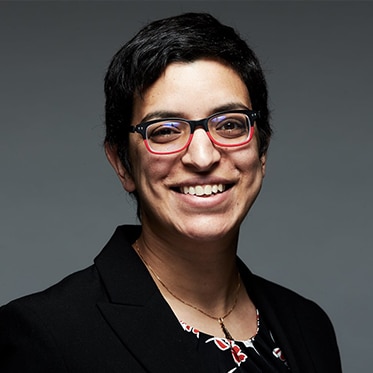
Dr. Ruba Khader
Dr. Ruba Khader is a board-certified oral and maxillofacial surgeon and the founder of Community Oral and Maxillofacial Surgery in Milwaukee, WI. With advanced training from Tufts University and over a decade of experience in both academic and clinical settings, Dr. Khader is known for her compassionate approach and commitment to excellence in surgical care. She combines state-of-the-art technology with evidence-based practices to deliver personalized treatment for each patient. A former president of the Wisconsin Society of Oral and Maxillofacial Surgeons, Dr. Khader takes great pride in serving her community with integrity, skill, and heart.